Be INSPIRED!
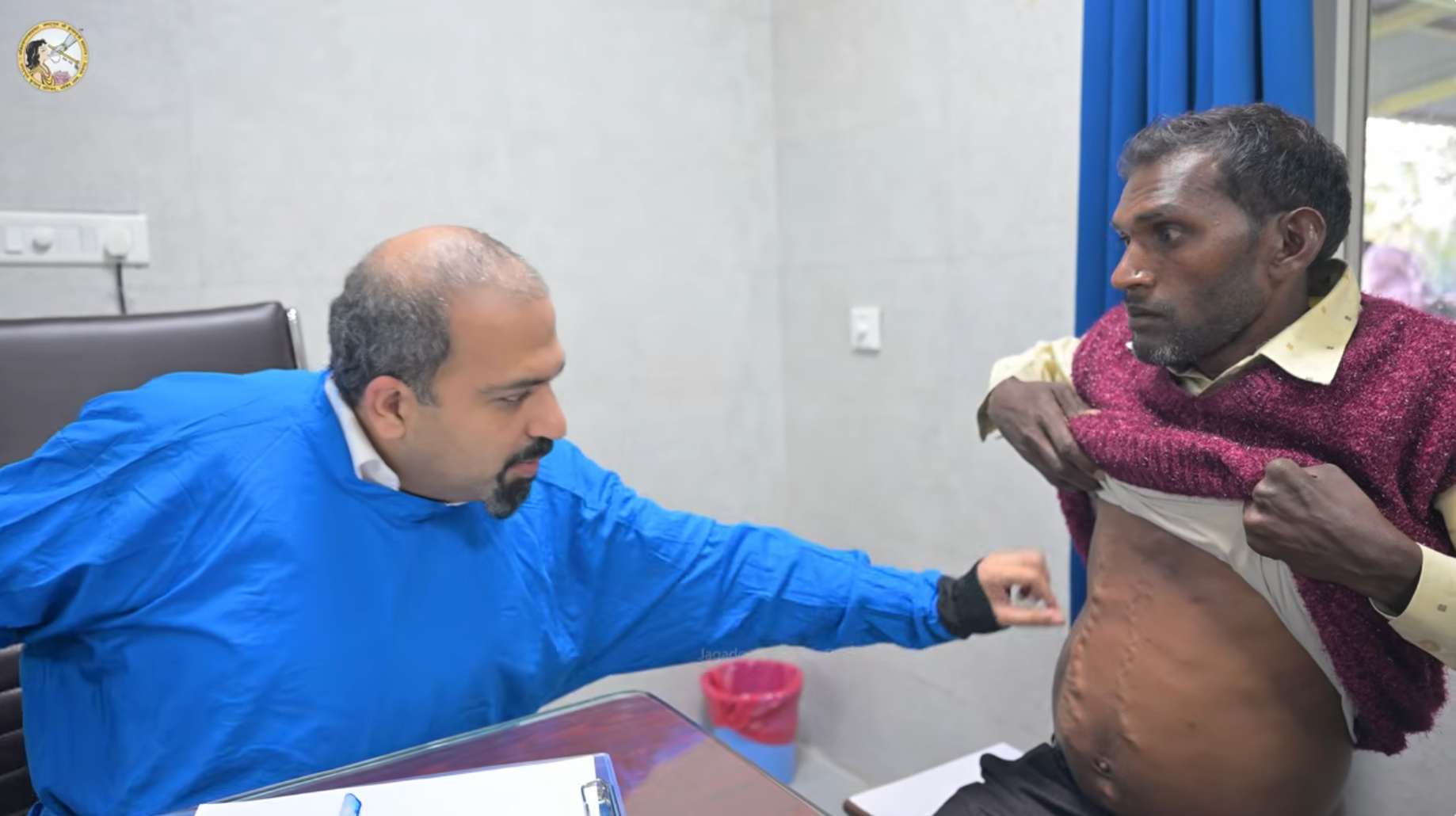
Patient: Mr. Govardhan Gautam, 41 years
Consultation: JKC Gastroenterology Medical Camp
Date: 21 & 22 February 2026
Mr. Govardhan Gautam, aged 41, has been suffering from abdominal swelling for approximately 25 years. Over time, the swelling extended not only to the abdomen but also to the lower limbs (legs), significantly affecting his quality of life. During the special JKC Medical Camp in February 2026, he was presented for evaluation by a gastroenterologist.
Following clinical assessment and endoscopic evaluation, it was determined that the primary problem was not the liver itself, but an underlying vascular disorder affecting the veins associated with the liver. The veins responsible for draining blood from the liver had become blocked. As a result, pressure built up within the liver, causing enlargement of the liver and increased back pressure in the surrounding circulation.
The specialist explained that if these blocked venous channels can be reopened or blood flow improved, further deterioration of the liver may be slowed or prevented.
At present, the treatment plan involves addressing the varices (abnormally enlarged veins) through endoscopic therapy to eradicate them. Once the varices are successfully treated and the bleeding risk is reduced, the patient will be started on blood-thinning medication (anticoagulants).
The use of blood thinners in patients with liver disease requires careful monitoring because such patients often already have an increased tendency to bleed. However, in conditions where venous blockage is the underlying problem, anticoagulants can play an important role in improving blood flow and helping to reopen or maintain these channels.
The doctor reassured the patient that with timely and appropriate treatment, his outlook is encouraging and he is expected to recover well and lead a better quality of life. Early intervention is important because it can help prevent further progression of the disease and preserve liver function.
However, the doctor also emphasised that if significant liver deterioration occurs before treatment is initiated, options become more limited and liver transplantation may eventually become the only remaining treatment option.
The likely cause of the venous blockage in this patient was considered to be inherited (genetic predisposition).
This case also reflects the significant impact of specialised medical camps such as the JKC Medical Camp, especially for people from lower-income backgrounds who may not otherwise have easy access to specialist consultations, advanced diagnostic procedures, and timely treatment. Such initiatives provide not only expert medical care but also hope, awareness, and opportunities for early intervention - often preventing serious disease progression and reducing the financial burden on families.
This case highlights the importance of recognising vascular causes of liver disease and demonstrates how accessible specialist care through outreach programmes can change health outcomes and improve lives.
Full Case and Video can be watched at https://www.youtube.com/watch?v=_3eVVKcCYZU